Warning: array_flip(): Can only flip string and integer values, entry skipped in Drupal\Core\Entity\EntityStorageBase->loadMultiple() (line 278 of core/lib/Drupal/Core/Entity/EntityStorageBase.php).
Drupal\Core\Entity\EntityStorageBase->loadMultiple() (Line: 262)
Drupal\Core\Entity\EntityStorageBase->load() (Line: 32)
Drupal\ofran_newsletter_block\Plugin\Block\NewsletterBLock->build() (Line: 171)
Drupal\block\BlockViewBuilder::preRender()
call_user_func_array() (Line: 113)
Drupal\Core\Render\Renderer->doTrustedCallback() (Line: 886)
Drupal\Core\Render\Renderer->doCallback() (Line: 431)
Drupal\Core\Render\Renderer->doRender() (Line: 503)
Drupal\Core\Render\Renderer->doRender() (Line: 248)
Drupal\Core\Render\Renderer->render() (Line: 484)
Drupal\Core\Template\TwigExtension->escapeFilter() (Line: 335)
__TwigTemplate_2ba243ac3ba7b0c91a2ee248c9db121a->block_content() (Line: 432)
Twig\Template->yieldBlock() (Line: 89)
__TwigTemplate_2ba243ac3ba7b0c91a2ee248c9db121a->doDisplay() (Line: 388)
Twig\Template->yield() (Line: 344)
Twig\Template->display() (Line: 359)
Twig\Template->render() (Line: 51)
Twig\TemplateWrapper->render() (Line: 33)
twig_render_template() (Line: 348)
Drupal\Core\Theme\ThemeManager->render() (Line: 490)
Drupal\Core\Render\Renderer->doRender() (Line: 248)
Drupal\Core\Render\Renderer->render() (Line: 484)
Drupal\Core\Template\TwigExtension->escapeFilter() (Line: 121)
__TwigTemplate_7796ff6eac265eea1370fbc71e7cd94e->doDisplay() (Line: 388)
Twig\Template->yield() (Line: 344)
Twig\Template->display() (Line: 359)
Twig\Template->render() (Line: 51)
Twig\TemplateWrapper->render() (Line: 33)
twig_render_template() (Line: 348)
Drupal\Core\Theme\ThemeManager->render() (Line: 490)
Drupal\Core\Render\Renderer->doRender() (Line: 248)
Drupal\Core\Render\Renderer->render() (Line: 158)
Drupal\Core\Render\MainContent\HtmlRenderer->{closure:Drupal\Core\Render\MainContent\HtmlRenderer::renderResponse():153}() (Line: 637)
Drupal\Core\Render\Renderer->executeInRenderContext() (Line: 153)
Drupal\Core\Render\MainContent\HtmlRenderer->renderResponse() (Line: 90)
Drupal\Core\EventSubscriber\MainContentViewSubscriber->onViewRenderArray()
call_user_func() (Line: 111)
Drupal\Component\EventDispatcher\ContainerAwareEventDispatcher->dispatch() (Line: 186)
Symfony\Component\HttpKernel\HttpKernel->handleRaw() (Line: 76)
Symfony\Component\HttpKernel\HttpKernel->handle() (Line: 68)
Drupal\simple_oauth\HttpMiddleware\BasicAuthSwap->handle() (Line: 53)
Drupal\Core\StackMiddleware\Session->handle() (Line: 48)
Drupal\Core\StackMiddleware\KernelPreHandle->handle() (Line: 28)
Drupal\Core\StackMiddleware\ContentLength->handle() (Line: 32)
Drupal\big_pipe\StackMiddleware\ContentLength->handle() (Line: 53)
Asm89\Stack\Cors->handle() (Line: 48)
Drupal\Core\StackMiddleware\ReverseProxyMiddleware->handle() (Line: 51)
Drupal\Core\StackMiddleware\NegotiationMiddleware->handle() (Line: 36)
Drupal\Core\StackMiddleware\AjaxPageState->handle() (Line: 51)
Drupal\Core\StackMiddleware\StackedHttpKernel->handle() (Line: 741)
Drupal\Core\DrupalKernel->handle() (Line: 19)
Car rental in Switzerland
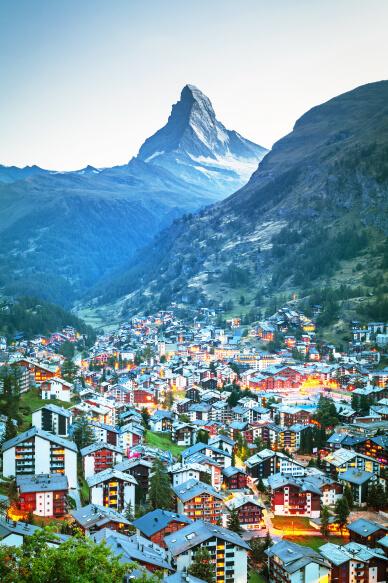
Noted as one of the most pristine and richest countries in the world, Switzerland has even more to offer in terms of attractions and year-round activities.
When you rent a car with Car Hire Brokers in Switzerland you are offering yourself the opportunity to tour a majestic country in the best way possible. Fly in and rent a car from exciting destinations such as Zurich, Berne, Geneva, and more.
Your road trip will allow you to discover the quaint villages, amazing mountain scenery and exhilarating ski resorts like you've never seen them before. So use our car rental form below to start planning your trip with our competitive comparisons and quotes.
Switzerland, with its rich tapestry of history, culture, and natural beauty, beckons travelers to explore its myriad attractions. Here's a curated list of must-visit spots during your Swiss sojourn:
Berne:
 Albert Einstein Museum
Dive into the life of the genius physicist and get a glimpse of his time in Berne.
Palaces
Berne boasts stunning palatial structures that showcase the city's rich history.
Rose Gardens
Take a stroll through aromatic rose gardens for a serene experience.
Paul Klee Centre
Dive into the world of this renowned painter and explore his unique artwork.
Geneva:
Palais des Nations
Headquarters of the UN, a blend of historic importance and architectural beauty.
Jet d'Éau
One of the tallest water fountains in the world, offering a spectacular sight.
Swiss Watch Showrooms
Geneva is the heart of Swiss watchmaking. Explore showrooms and witness horological artistry.
Zurich and Surrounding Resorts:
Klosters
A famous ski destination that's equally appealing in summer for its hiking and biking trails.
Davos
Known for its winter sports, it also offers summer activities amidst its alpine beauty.
Hoch-Ybrig
A winter wonderland, perfect for skiing enthusiasts.
Holzegg
Adventure awaits here, from skiing to summer mountain biking.
Grindelwald
Nestled in the Bernese Alps, it's a hotspot for skiing and stunning views.
Chateau d'Óex
Renowned for hot air ballooning and beautiful ski slopes.
St. Moritz
A luxurious destination offering world-class skiing and summer sports.
Adventure and Tastings:
Adventure Parks
Explore thrilling rides and activities tailored for all age groups.
Cheese Factories
Dive into the art of Swiss cheese-making and indulge in some tastings.
Chocolate Factories
Switzerland is synonymous with chocolates. Don't miss a chance for a delectable chocolate tasting session.
Adventure Sports
From sailing and windsurfing to skydiving, Switzerland has it all for adrenaline junkies.
Whether it's the arts, adventure, or serene beauty, Switzerland promises an unforgettable journey for every kind of traveler.
Car Hire Brokers is ready to make your trip to Switzerland a memorable one. Rent a car and allow yourself the freedom to explore a country which is rich with culture, activities, and stunning sites.